« Back to articles
How to Start a Grocery Delivery Business (2026)
Learn how to start a grocery delivery business in 2026 — from niche, licensing, and food safety to routing, tracking, costs, and scaling.

Learn how to start a grocery delivery business in 2026 — from niche, licensing, and food safety to routing, tracking, costs, and scaling.
Grocery delivery has moved from a pandemic-era convenience to a permanent part of how people shop. U.S. online grocery sales hit a record $12.7 billion in December 2025, up 32% year over year, with online buying reaching roughly 19% of all grocery spending to close the year. Home delivery is the fastest-growing slice of that market, accounting for about 45% of online grocery spend by late 2025. For entrepreneurs and established retailers alike, that adds up to a durable, expanding opportunity — and a competitive one.
Winning in grocery delivery is not only about moving products from point A to point B. It is about delivering a reliable, transparent experience while protecting notoriously thin margins. With a focused plan and the right tools — including software like EasyRoutes for optimized route planning — a local operator can compete with national players by being faster, more personal, and more efficient on every route. This guide walks through how to start a grocery delivery business in 2026, step by step.
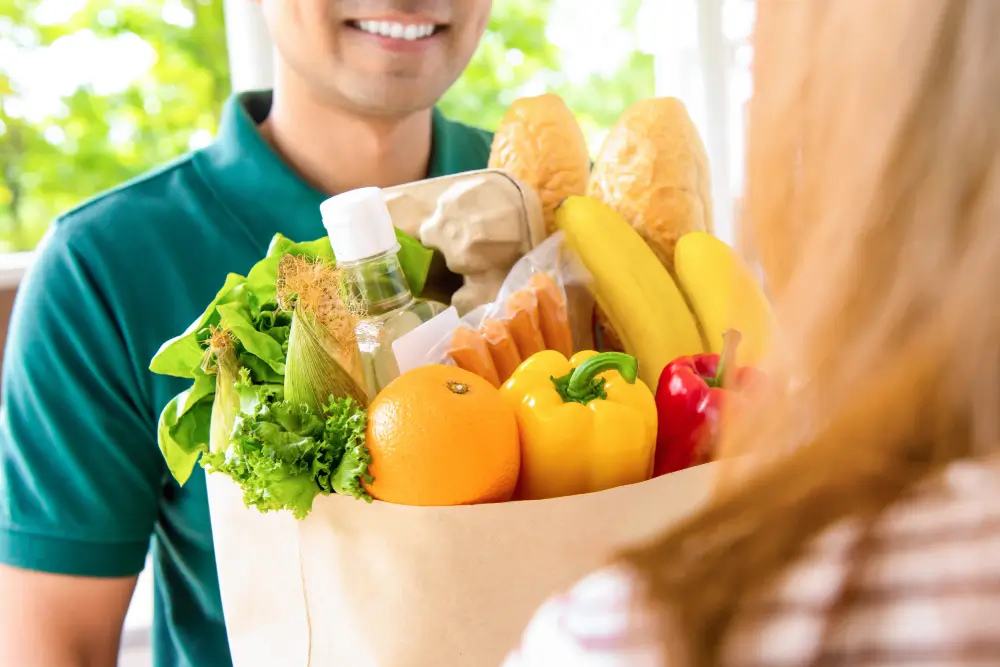
Before buying a single insulated bag, understand who you are serving. Study local demographics, shopping habits, preferred delivery times, and the competition already operating in your area. The goal is to find the gap a big-box service is not filling well — busy professionals, families, older shoppers who want a human touch, or neighborhoods underserved by the national apps.
That gap is usually your niche. Specializing — in organic and local produce, ethnic groceries, dietary-specific baskets, or eco-friendly packaging — makes your service easier to market and defend. Talk to potential customers directly, run a small pre-launch survey or waitlist, and map what nearby competitors charge, how fast they deliver, and where their reviews complain. Those weak points are your opening.
Sustainability is a genuine purchase driver in this category: in Blue Yonder's 2025 consumer survey, roughly 74% of U.S. shoppers called sustainability an important factor in their buying decisions, with food and beverage the top category where they would pay more. Grocery delivery is also just one of many viable delivery business ideas worth comparing before you commit, so confirm there is real, repeatable demand in your service area before scaling your ambitions.
A clear business plan is your roadmap and your fundraising tool. It should spell out your goals, target customers, pricing, marketing approach, and realistic financial projections — including the costs that quietly eat grocery margins: vehicles, fuel, labor, packaging, and technology.
Two model decisions shape everything else. First, will you sell direct-to-consumer (buying and delivering your own inventory) or partner with existing grocers to fulfill their orders? Direct-to-consumer gives you control and brand ownership; partnering lets you lean on existing inventory and storefronts. Second, will you run scheduled subscriptions, on-demand delivery, or a hybrid? Subscriptions create predictable revenue; on-demand captures a wider, more spontaneous audience. You will also need to decide whether to deliver in-house or outsource to couriers — a tradeoff of cost, control, and customer experience that we break down in our guide to in-house versus third-party delivery.

Grocery delivery sits at the intersection of retail, food handling, and transportation, so compliance matters. Confirm the business licenses, permits, and food-handling registrations required by your local, state or provincial, and federal authorities, and carry appropriate insurance for your vehicles, employees, and the goods themselves. Requirements vary widely by region, so check with local regulators before you launch.
Food safety is non-negotiable when you move perishables. Maintaining the cold chain — proper refrigeration, insulated and temperature-controlled packaging, and disciplined handling of chilled and frozen items — protects both your customers and your reputation. Spell out handling steps for high-risk items, keep delivery windows short enough that fresh goods arrive in good condition, and document your process so every driver follows it. Build these protocols in from day one rather than retrofitting them after a spoilage complaint, and revisit them as you add new product categories.
Technology is what lets a small grocery operation run like a large one. At minimum you need a smooth ordering experience (an e-commerce storefront or marketplace integration), inventory management, and a system to plan and dispatch deliveries. The last piece is where many new operators underinvest.
A dedicated delivery management platform ties orders, routing, driver dispatch, tracking, and customer notifications together in one workflow. EasyRoutes, for example, connects to Shopify and other e-commerce platforms, turns incoming orders into optimized routes, and pushes them to drivers — so your team spends minutes planning instead of hours. Choosing software that integrates with the tools you already use prevents the data silos and manual re-entry that slow growing operations down.
Behind the software sits your physical infrastructure: reliable vehicles sized to your baskets, refrigeration for perishables, and storage or staging space that is well located and properly equipped. Strong relationships with wholesalers and local producers keep quality consistent and supply steady, while disciplined inventory management keeps you from running out of popular items or overstocking goods that spoil. Match these investments to your model — a partner-fulfillment operation needs less storage than a direct-to-consumer one.
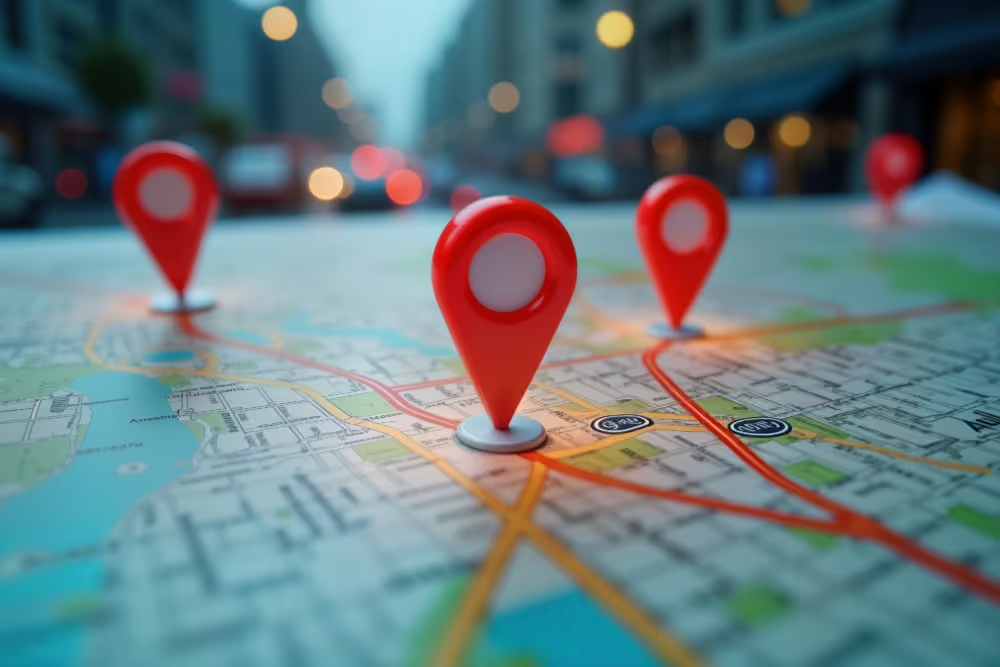
Routing is where grocery delivery businesses win or lose money. Efficient, optimized routes cut fuel use and drive time, let you fit more stops into each shift, and get perishables to doors before quality slips. Manual planning cannot keep up once order volumes climb or last-minute requests arrive.
Route optimization software calculates the most efficient sequence across all your stops, adapts to real-time traffic, and lets you re-optimize when orders change mid-day. Support for delivery time windows means you can honor the slots customers choose, while saved delivery zones help planners batch orders by neighborhood. For the broader playbook on running a tight final mile — from fulfillment planning to driver workflows — see our guide to last-mile delivery best practices.
Communication is a core part of the grocery delivery product, not an afterthought. Shoppers expect to know when their order is confirmed, when it is out for delivery, and roughly when it will arrive. Clear updates reduce missed deliveries, cut inbound 'where is my order' questions, and build the trust that earns repeat business.
Automated email and SMS notifications, live driver tracking with dynamic ETAs, and digital proof of delivery (photos, e-signatures, and timestamps) together create a transparent experience. Letting customers follow their delivery in real time is now table stakes — and it doubles as quiet marketing every time a neighbor sees a smooth, on-time drop-off.
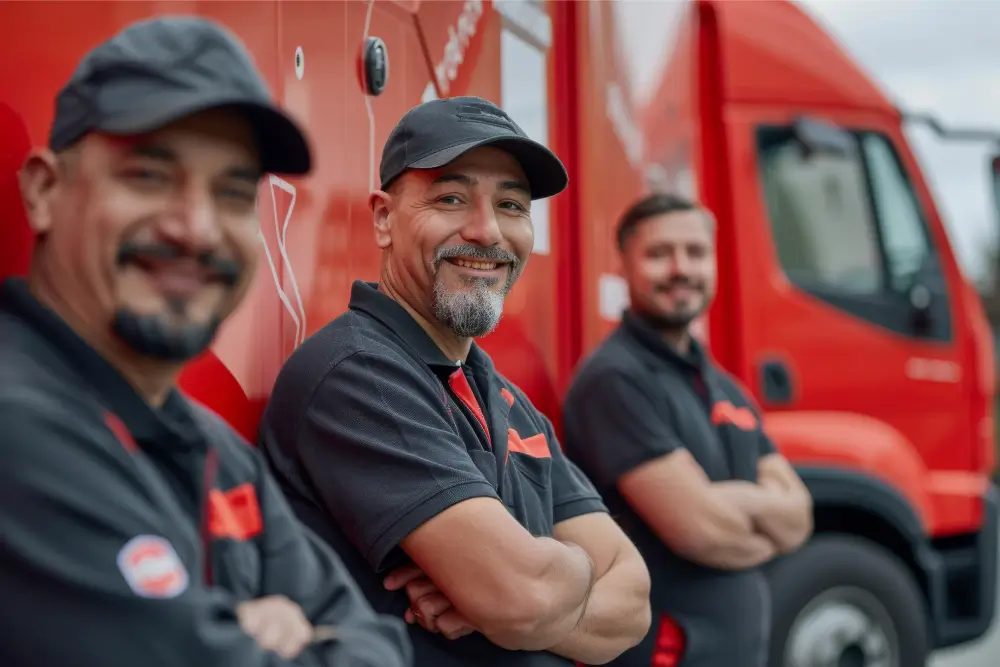
Your drivers are the face of your brand at the most important moment — the handoff. Hire for reliability and customer skills, run proper background and license checks, and train on safe driving, careful grocery handling, and consistent service standards.
Give them tools that make the job easier. A driver app like the EasyRoutes Delivery Driver app provides turn-by-turn navigation, the day's optimized stop sequence, customer notes, and one-tap proof of delivery. Balanced workloads and realistic routes with built-in breaks keep drivers safe and productive, which directly protects your service quality.
Grocery delivery margins are thin, so cost discipline is a survival skill. The recurring challenges are predictable: rising fuel prices, keeping perishables fresh, absorbing demand spikes, navigating traffic, and fulfilling orders accurately. Each has a practical answer.
Route optimization reduces mileage and idle time; temperature-controlled packaging protects freshness; scalable software lets you batch and dispatch high volumes without errors; and real-time traffic data keeps drivers moving. Fuel in particular is one of the largest controllable line items — our guide on cutting fuel costs covers routing, driver habits, fleet maintenance, and electric vehicles. The compounding effect of these small efficiencies is the difference between a route that earns money and one that loses it.
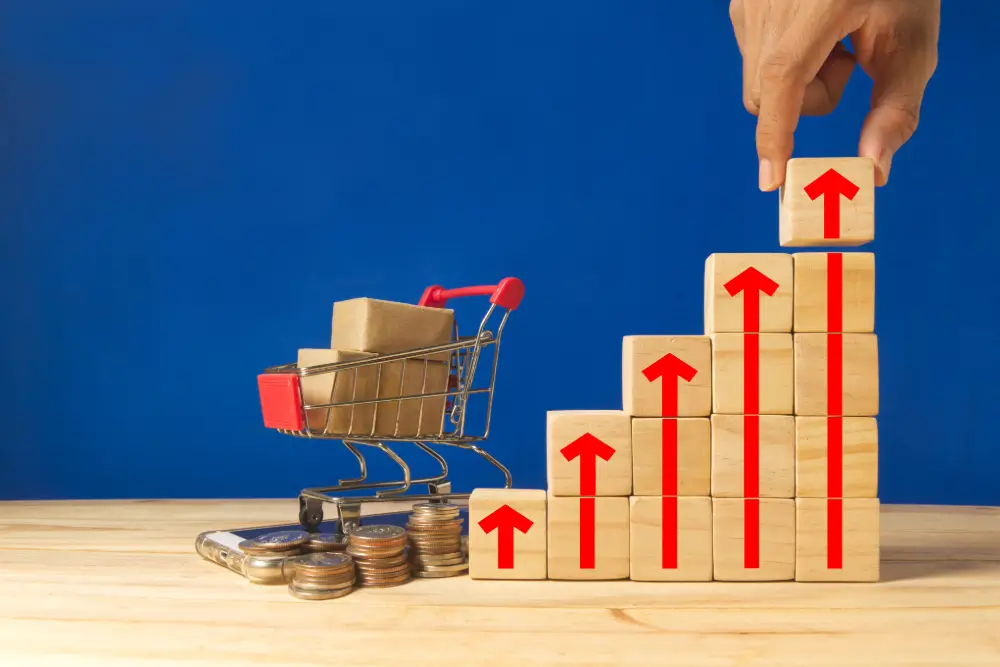
Attracting the first customers takes a focused mix of local SEO, social media, email marketing, referral incentives, and partnerships with neighborhood businesses. A clean, mobile-friendly storefront does a lot of the selling for you: shoppers expect intuitive browsing, clear product details, a secure checkout, and the ability to schedule and track orders from their phones. But the cheapest growth comes from keeping the customers you already have — reliable, on-time delivery and a great experience are your best marketing.
As you grow, expand carefully: add zones, vehicles, and staff in step with demand, and diversify into adjacent services like meal-kit or specialty delivery when the core is solid. Sustainability can be both a values commitment and a growth lever — optimizing routes lowers emissions and cost at the same time, and options like greener transportation and reusable packaging appeal to a large, growing segment of shoppers. The broader market backs this up: online grocery is projected to reach about 20% of total U.S. e-commerce, and the global online grocery market — valued near $0.72 trillion in 2026 — is forecast to keep growing at double digits, with instant or 'quick' delivery expanding fastest at roughly 18% a year through 2031.
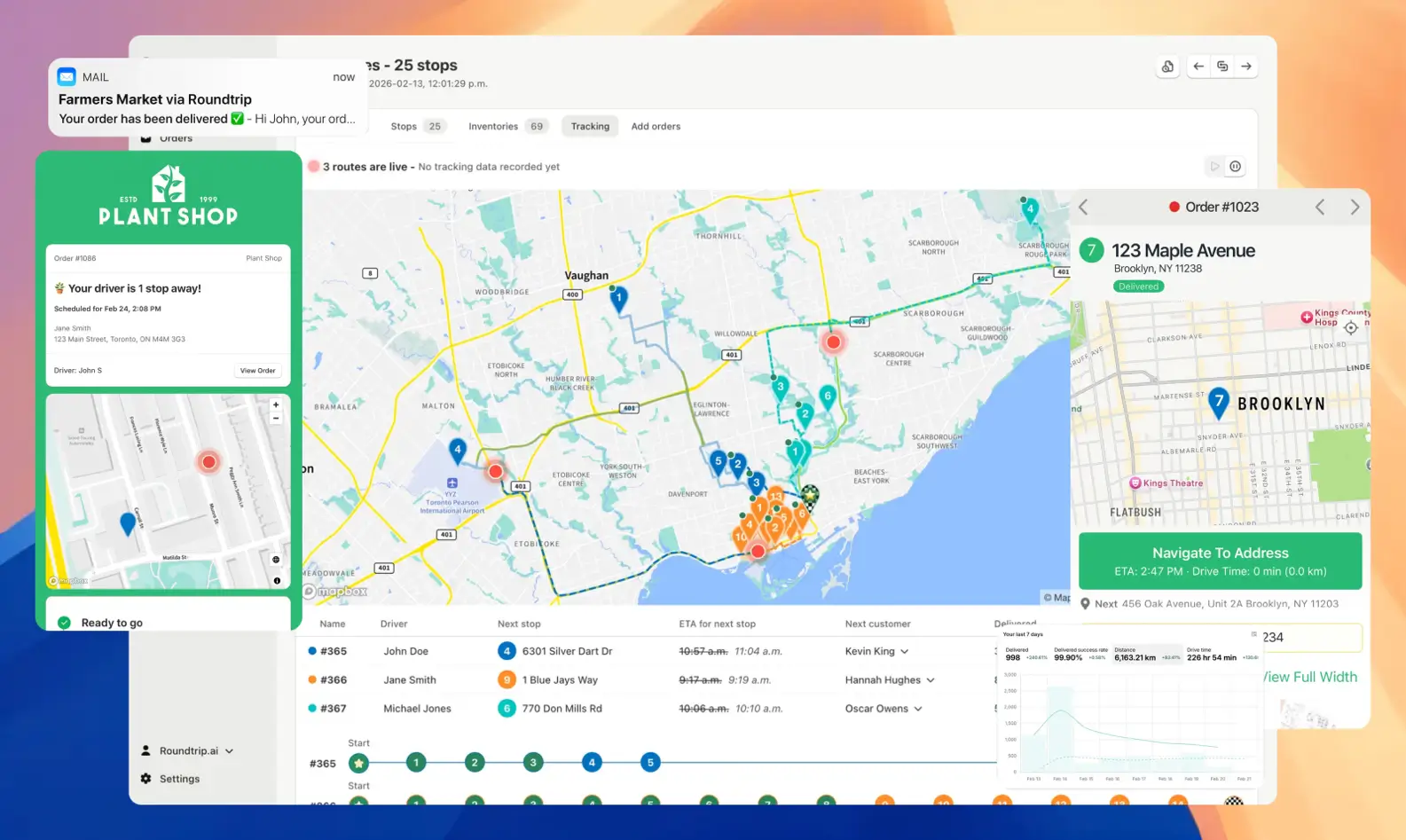
EasyRoutes turns your grocery orders into optimized delivery routes you can share with drivers or run yourself, in three simple steps:
Filter, tag, and search to choose exactly which orders to turn into routes — including Shopify Local Delivery and pickup orders.
Review your optimized routes, add or edit stops, set time windows, and drag-and-drop to re-sequence as needed.
Dispatch routes to your drivers with live tracking and automatic customer notifications, or use the mobile driver view to make deliveries yourself.
Starting a grocery delivery business in 2026 means meeting real, growing demand with disciplined planning and the right operational tools. Validate your niche, choose a model you can sustain, respect food-safety and licensing requirements, and invest early in the routing, tracking, and communication systems that protect your margins and your reputation. Do that well, and you can carve out a profitable, loyal customer base even in a market led by giants. Explore the EasyRoutes website to see how optimized routes and delivery management can power your grocery delivery business from day one - start your 14-day free trial today!
EasyRoutes is the AI-native delivery operations platform trusted by 5,000+ businesses across 75+ countries. Plan routes in seconds, dispatch drivers automatically, and delight your customers — from Shopify or any order source. Experience delivery operations that run themselves. Rated 4.8 stars and certified Built for Shopify.
⭐⭐⭐⭐⭐ 4.8 stars • Trusted by 5,000+ Businesses